
Lighting the Future of Controlled Grow Spaces

Advancements in agricultural technology continue to reshape how growers nurture crops in controlled environments. Over the past decade, innovation has pushed far beyond simple climate control, introducing growers to systems that blend data, design, and precision. Today, lighting plays a crucial role in these improvements, influencing plant health, productivity, and sustainability. As growers search for modern solutions to support fresh produce, improved yields, and reduced energy waste, the spotlight has firmly shifted to advanced illumination systems.
This guest post explores the evolving landscape of grow-space lighting, the technologies that power it, and the ways growers are adapting to smarter, more efficient systems. Through this exploration, we gain insight into how modern lighting is transforming the future of indoor cultivation
The Science Behind Modern Agricultural Illumination
Why Lighting Matters More Than Ever
Light fuels plant life, guiding growth patterns, stimulating photosynthesis, and shaping overall development. In controlled environments, lighting is no longer just a substitute for sunlight—it is a core ingredient that allows growers to tailor plant behavior. By adjusting wavelength, intensity, and exposure hours, growers gain remarkable control over flowering times, nutritional density, and crop consistency.
Today’s innovations bring even greater precision, supporting growers in producing healthier plants with fewer resources. This has positioned Green House Lightning in 2025 as a topic of rising importance within the agricultural community.
Spectrum Engineering for Targeted Growth
Decades ago, indoor growers relied on broad-spectrum lighting that imitated the sun but lacked customization. Modern spectrum engineering allows growers to target blue light for vegetative growth, red light for flowering, and far-red for elongation. The ability to fine-tune these combinations has improved the speed, quality, and uniformity of crops.
Technology Trends Transforming Cultivation Spaces
LED Innovation Leading the Charge
LED technology continues to dominate indoor agricultural lighting. Its efficiency, long life span, and ability to deliver focused spectrums make it the preferred choice for controlled environments. Many growers are now shifting away from older metal halide and high-pressure sodium lamps due to heat production, energy waste, and limited customization.
As more facilities adopt advanced LED designs, conversations about Green House Lightning in 2025 continue to grow. LEDs now allow growers to modify lighting programs through digital interfaces, automate light cycles, and integrate sensors for real-time adjustments.
Smart Lighting Systems
Smart systems are becoming increasingly common in modern grow rooms. These systems use data analytics, cloud connectivity, and environmental sensors to produce optimal conditions automatically. With remote controls, energy tracking, and AI-driven responses, growers enjoy unprecedented efficiency and consistency.
In many cases, smart lighting also reduces operational costs by eliminating guesswork and improving long-term planning.
Energy Efficiency and Sustainability
Why Sustainability Matters
Sustainable agriculture is no longer optional - it is a core expectation in the modern market. Consumers prefer produce grown with eco-friendly practices, and growers face rising energy costs that demand efficient solutions. That makes lighting one of the most critical components of sustainable cultivation.
LEDs, automation, and renewable energy integration have significantly reduced the environmental footprint of indoor growing operations. Sustainability conversations now often highlight Green House Lightning in 2025, especially as growers seek technologies that can support both financial and ecological goals.
Lower Costs Through Smart Investment
Energy-efficient lighting offers long-term savings by reducing electricity consumption, minimizing heat output, and cutting cooling requirements. These benefits enable growers to redirect resources toward crop development, facility expansion, or operational upgrades.
Impact on Crop Quality and Yield
Fine-Tuned Growth Conditions
Growers achieve superior control with modern lighting, allowing them to meet precise crop requirements. When lighting is optimized, plants receive exactly what they need—no more and no less. This leads to:
Faster growth cycles
Improved nutrient profiles
Higher yields
Greater consistency across harvests
Such improvements highlight why Green House Lightning in 2025 generates increasing interest among professionals focused on maximizing production potential.
Enhanced Color, Flavor, and Texture
Lighting influences visible and sensory qualities, from vibrant leafy greens to fuller fruits. With enhanced illumination strategies, growers can highlight aromas, sweetness, crispness, or color vibrancy—qualities that elevate the overall market value of fresh produce.
Designing the Ideal Grow-Space Environment
Balancing Natural and Artificial Light
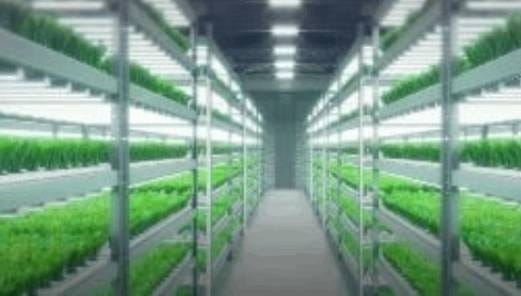
While artificial lighting drives indoor cultivation, some modern greenhouses blend natural sunlight with controlled illumination. Transparent roofs, reflective materials, and smart shading systems help maximize daylight. Artificial lighting then fills in the gaps, ensuring plants receive consistent intensity even during cloudy conditions or shorter winter days.
This hybrid approach is often considered one of the most efficient methods for implementing Green House Lightning in 2025.
Optimized Layouts for Maximum Coverage
Lighting layout is crucial for plant uniformity. Poor positioning can lead to uneven growth, wasted energy, and stressed plants. Modern design principles encourage:
Layered lighting at different heights
Angled fixtures for deeper canopy penetration
Spaced arrays for consistent distribution
Adjustable arms or rails for flexibility
The goal is to deliver even illumination across every surface of the grow space.
Smart Control and Monitoring Solutions
Data-Driven Decision Making
Sensors and AI-driven tools now monitor light intensity, temperature, humidity, and plant responses. This data empowers growers to make highly informed decisions about crop cycles and environmental conditions.
Real-time dashboards offer insights into light absorption, energy consumption, and equipment performance. Combined with predictive analytics, these tools help growers avoid issues before they develop.
Automation for Labor Efficiency
Automation reduces the need for manual adjustments. Lighting systems automatically change brightness, spectrum, and duration based on preset schedules or plant needs. For large facilities, this eliminates countless hours of labor while ensuring crops receive precise care at every stage.
Facilities embracing Green House Lightning in 2025 often incorporate automation as a core feature.
Looking Ahead: What the Future Promises
Integration With Renewable Energy
As solar technology becomes more affordable, many growers are incorporating renewable energy systems. Solar panels, battery storage, and smart meters create a closed-loop environment where lighting demands are met without straining power grids.
This integration further strengthens the sustainability narrative and positions indoor agriculture as a leader in eco-conscious innovation.
Customized Lighting for Specific Crops
Future lighting solutions will offer even more crop-specific customization. From leafy greens to specialty herbs, flowers, and medicinal plants, growers will soon have access to lighting programs tailored for individual species. This will result in:
Higher-quality yields
Reduced waste
More predictable cycles
Premium-grade produce
The growing advancements surrounding Green House Lightning in 2025 reflect these evolving opportunities.
Conclusion
Lighting technology continues to redefine what is possible in controlled agriculture. Through spectrum engineering, smart automation, energy efficiency, and sustainability practices, growers now cultivate crops with greater precision and lower resource consumption. As the industry moves forward, the innovations shaping Green House Lightning in 2025 will continue to influence how food is grown, distributed, and valued.
The future of greenhouse cultivation is bright—illuminated by innovation, guided by sustainability, and enriched by an ever-expanding understanding of what lighting can achieve.